
The short answer
If your Sunnyvale furnace won't heat, cycles on and off, or makes new noises, start with the thermostat, filter, and breaker, then call for a diagnosis if those check out. Current Bay Area Air District rules do not require you to replace a working furnace, so repairing a sound system is still a reasonable choice.
Sunnyvale winters are mild by most standards, but damp nights in the 30s and 40s still make a working furnace matter. Because many furnaces here run only a few months a year, problems often stay hidden until the first cold snap, when a system that sat idle since spring won't light, short-cycles, or blows lukewarm air. CoolVantage AC Repair diagnoses and repairs gas furnaces in homes across Sunnyvale, including ZIP codes 94085, 94086, 94087, and 94089. This page covers the issues we see most often, what you can safely check yourself, and how current Bay Area Air District rules affect the repair-or-replace decision.
Why Sunnyvale Furnaces Act Up When the Weather Turns
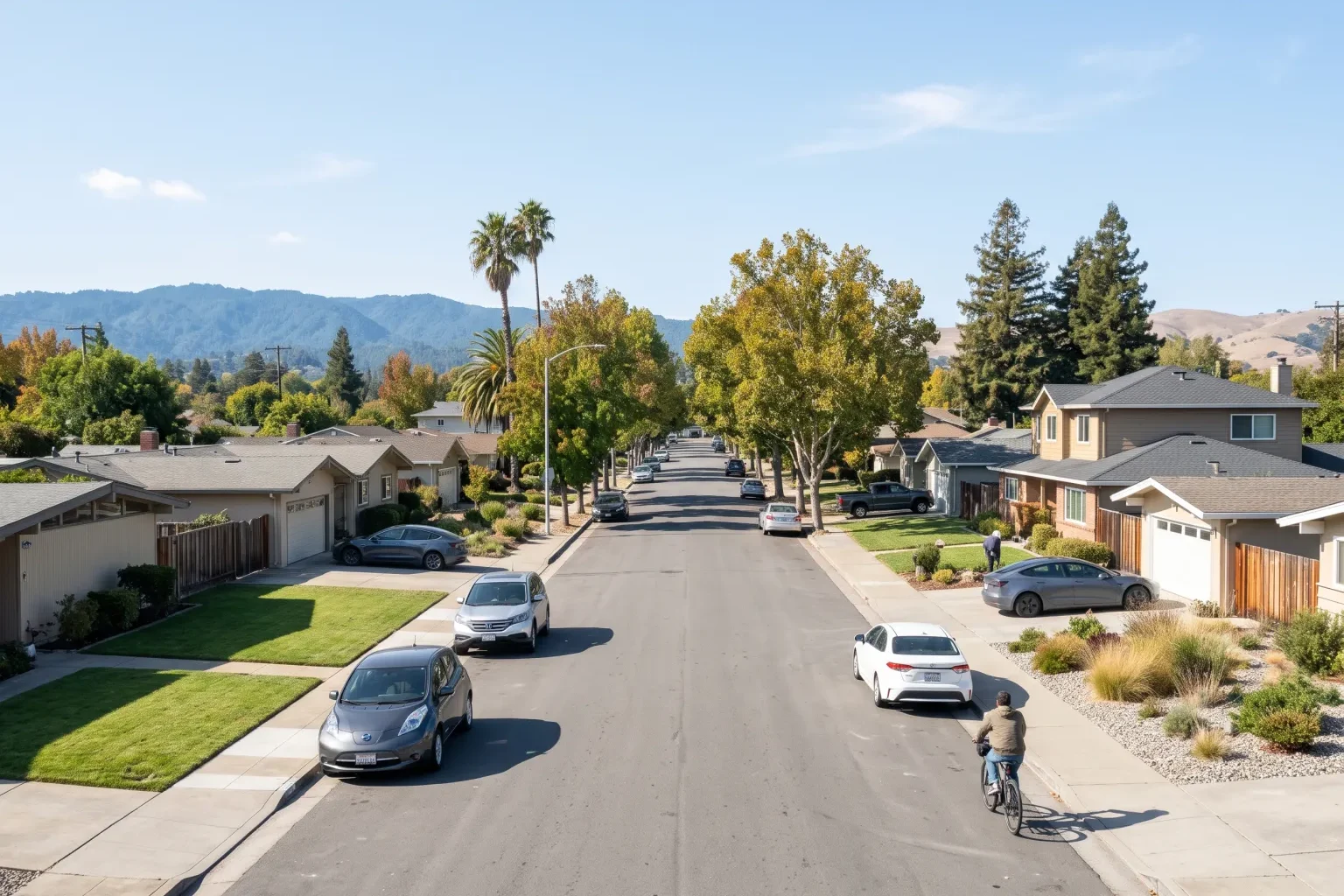
The Santa Clara Valley has a Mediterranean climate with dry summers and mild, damp winters. Sunnyvale sits close to the Bay, so it usually avoids the hotter summer extremes of the inland and southern valley, and the furnace only works hard for part of the year. That light, seasonal use has side effects. Dust settles on burners and flame sensors over the summer, igniters can fail on the first few starts, and a filter that went unchanged all year can choke airflow the moment heating begins.
Damp winter air also plays a role. Moisture can corrode electrical connections and, in high-efficiency furnaces, contribute to clogged condensate lines that trip a safety switch and shut the system down. Many of the calls we get in Sunnyvale come in the first cold weeks of fall, when a furnace that worked fine last February suddenly won't stay lit.
Common Furnace Problems We Repair
Most furnace failures trace back to a small number of parts. During a repair visit we test the system under operation, find the actual cause, and explain what we found before any work begins.
- Igniter or pilot problems: the furnace clicks or tries to start but never lights.
- Dirty or failing flame sensor: burners light, then shut off after a few seconds.
- Short-cycling: the furnace turns on and off repeatedly, often from overheating, a clogged filter, or a thermostat issue.
- Blower motor or capacitor failure: the burners run but little or no air comes out of the vents.
- Limit switch and pressure switch faults: safety controls shut the system down to prevent overheating or venting problems.
- Clogged condensate drains on high-efficiency units: water backs up and the furnace stops.
- Unusual noises: squealing, rattling, or booming at startup that point to belts, bearings, loose panels, or delayed ignition.
- Control board errors: flashing codes or a furnace that won't respond to the thermostat.
What to Check Before You Call
A few quick checks can save you a service call or help us diagnose the problem faster. Confirm the thermostat is set to heat and the setpoint is above room temperature, and replace its batteries if it has them. Check the furnace filter; a heavily clogged filter is one of the most common reasons a furnace overheats and shuts itself off. Make sure the furnace's power switch, which often looks like a light switch near the unit, is on, and that the breaker hasn't tripped. Look at the vents in each room to be sure they are open.
If you smell gas, don't try to troubleshoot. Leave the house, avoid using light switches or other electrical devices, and call your gas utility from outside. For anything involving the burners, gas valve, or wiring, it's safer to let a technician handle it.
Repair or Replace? How Bay Area Rules Fit In
Many Sunnyvale homeowners have heard that gas furnaces are being phased out and wonder whether repairing one is worth it. Here are the facts. Under Bay Area Air District Rule 9-4, natural gas furnaces manufactured starting in 2029 must meet a zero-NOx emission standard, which in practice points homeowners toward heat pumps when a furnace is replaced after that date. However, the rules do not require you to replace working equipment. They apply only when an existing furnace fails or is replaced.
That means a furnace with a fixable problem can still be repaired. We give you an honest read on your system's condition so you can decide whether a repair makes sense now or whether it's time to plan for a replacement. If you're considering a heat pump, note that the federal 25C tax credit covered qualifying heat pumps placed in service before December 31, 2025, and is not available for new installations after that date. Bay Area homeowners can still check BayREN and their local clean energy provider for current electrification incentives. Since those amounts change by funding cycle, we confirm the current offer before including it in any quote.
Serving Sunnyvale and Nearby Communities
Sunnyvale is about 17 miles northwest of our base in San Jose, and we regularly work in homes throughout the city. We also provide furnace repair in nearby Mountain View, Santa Clara, Los Altos, Cupertino, and Saratoga. Whether you have an older standard-efficiency furnace in a hall closet or a newer high-efficiency unit in the garage or attic, we'll find the cause and walk you through your options.
More services in Sunnyvale
- AC Repair in SunnyvaleLocal service & repairs
- Heating Repair in SunnyvaleLocal service & repairs
- Heat Pump Installation in SunnyvaleLocal service & repairs
- AC Installation in SunnyvaleLocal service & repairs